



Introduction to Feeds and Feeding in Aquaculture
Section outline
-
Feeding is one of the most critical aspects of aquaculture as it directly impacts the growth, health, and profitability of the farming operation. In natural settings, aquatic organisms depend on naturally available food sources like plankton, algae, and detritus. However, in controlled aquaculture systems, these sources are often insufficient, necessitating the use of formulated feeds. Proper feeding ensures not only high productivity but also sustainability by reducing feed waste and environmental impact. This chapter sets the foundation by discussing the importance of feed in aquaculture and the evolution of feed practices over time.
Types of feeds
Aquaculture feeds can be broadly classified into natural feeds and artificial feeds.
- Natural Feeds include plankton, detritus, and aquatic plants, which are primarily used during the early stages of farming or in extensive systems.
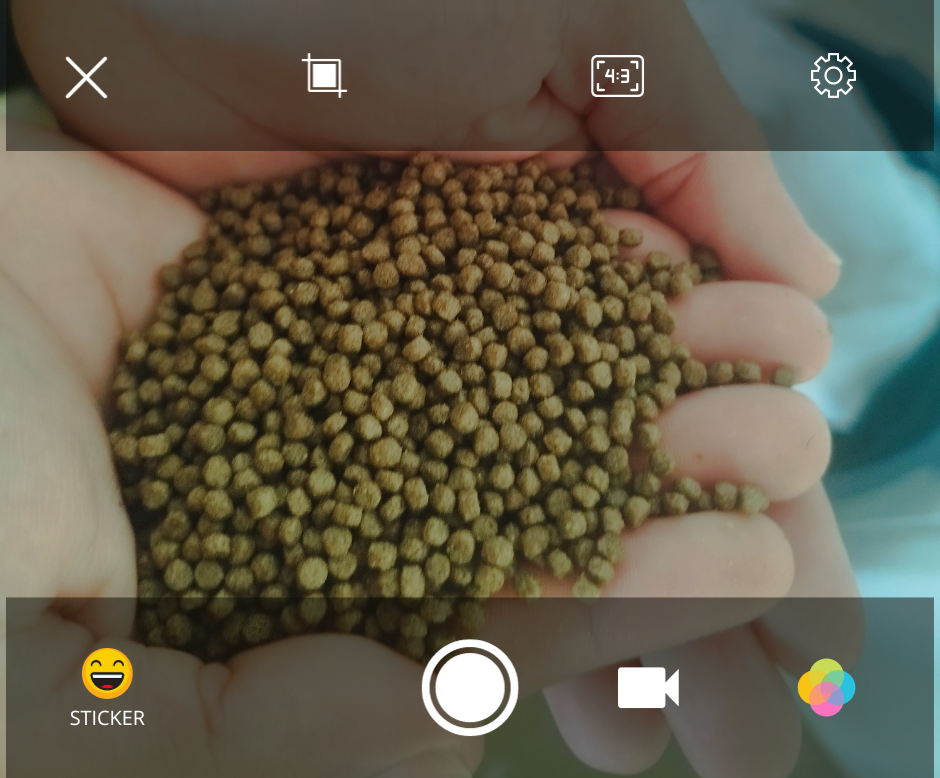
- Artificial Feeds, like pelleted and extruded feeds, are designed to provide a balanced diet tailored to specific species and growth stages. This chapter explains the different feed forms such as floating pellets (extruded feeds), sinking pellets, and powdered feeds, along with their specific uses. It also discusses factors influencing feed selection, such as species type, feeding habits, and farm objectives.
-
Feeds and feeding video Video Time
-
NOTES File

-