




Lesson
Tubular Fluorescent Lamps (MCF)
Completion requirements
View
Go through the activity to the end
Receive a grade
DEFINITION
Good day, everyone! Today, we are going to explore a common lighting technology that many of us see daily—Tubular Fluorescent Lamps, also known as MCF.
1. What Is a Tubular Fluorescent Lamp (MCF)?
These lamps are long, tube-shaped lights that are widely used in schools, offices, and commercial buildings. Unlike incandescent bulbs, they use a different method to produce light—one that is more energy-efficient.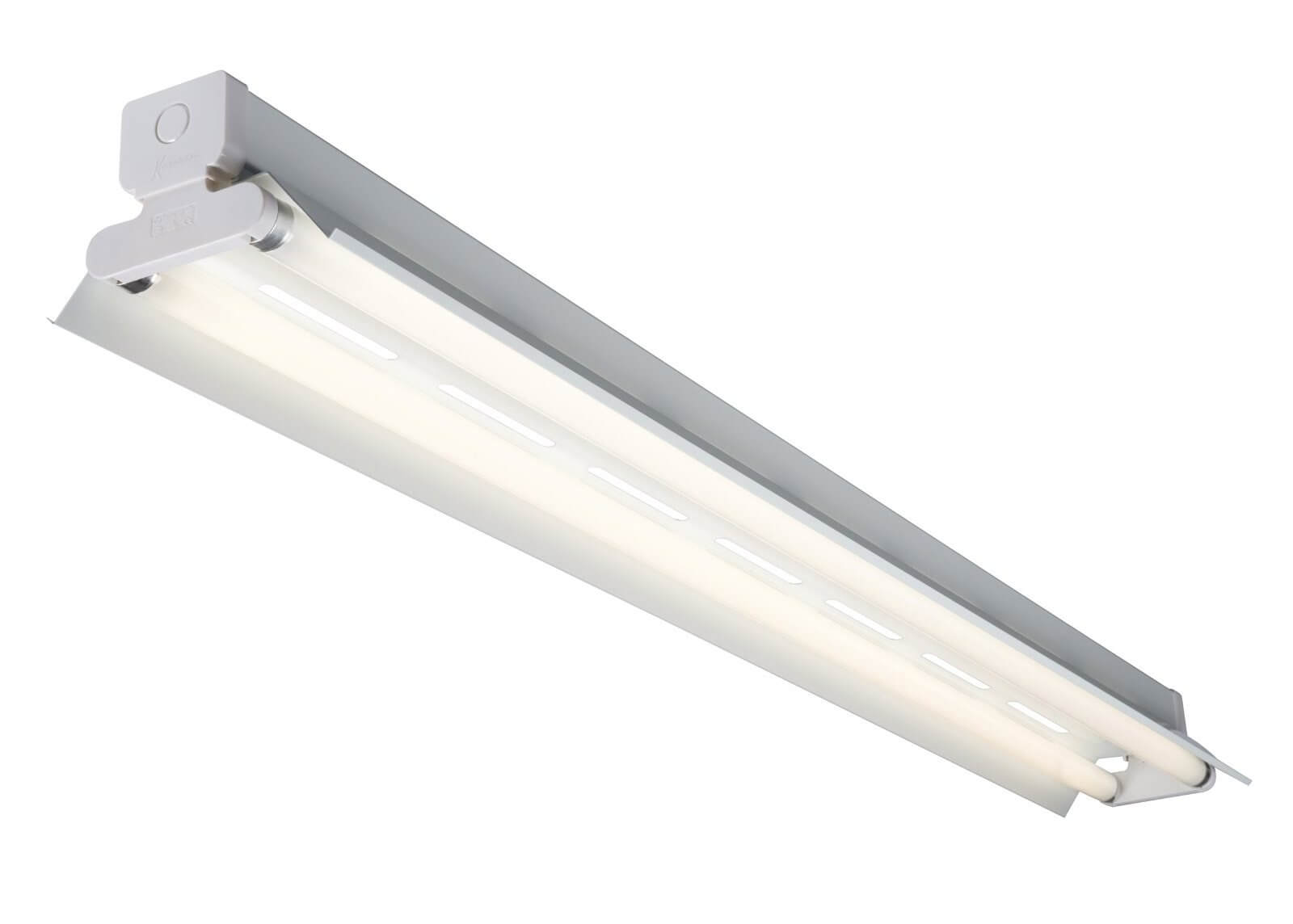
2. How Does It Work?
-
Inside the tube is a low-pressure gas—mainly mercury vapor and an inert gas like argon. The inside surface of the tube is coated with phosphor powder.
-
When electricity flows through the lamp, it excites the mercury atoms, which emit ultraviolet (UV) light. This UV light then hits the phosphor coating, which glows and produces visible white light.
-
That’s why it’s called a fluorescent lamp—it uses fluorescence to convert UV into visible light.
3. Key Components
Let’s look at some of the key characteristics:
-
Shape: Usually long and cylindrical (T5, T8, or T12 sizes)
-
Light Output: Bright, diffused light
-
Efficiency: More efficient than incandescent lamps
-
Lifespan: Typically 7,000 to 15,000 hours
-
Requires a ballast: To regulate current and start the lamp
- Color temperature: Available in warm white to cool daylight
4. Advantages
-
High energy efficiency
-
Long lifespan
-
Produces less heat
-
Good light distribution
-
Lower operating cost over time
5. Disadvantages
-
Contains small amounts of mercury (needs safe disposal)
-
Needs a ballast (can fail over time)
-
Flickering may occur if faulty
-
Color rendering is moderate, not as sharp as LED
6. Common Applications
These lamps are used in many places, such as:
-
Schools and universities
-
Offices and libraries
-
Hospitals and clinics
-
Supermarkets and factories
-
Parking garages and workshops
7. Quick Review Questions
Let’s test your understanding with a few questions:
-
What gas is used inside a tubular fluorescent lamp?
-
What coating is applied inside the lamp?
-
What device is needed to start the lamp?

Ans: Mercury vapor and an inert gas like argon, Phosphor coating, A ballast
Conclusion
To wrap up, tubular fluorescent lamps (MCF) have been a reliable lighting solution for many decades. Although newer technologies like LED are taking over, MCF lamps are still widely used due to their efficiency and long lifespan. Understanding how they work helps us appreciate how lighting technology continues to evolve for energy savings and improved performance.