




THE BASICS OF ARTIFICIAL LIGHTING
Section outline
-
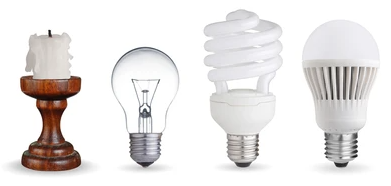
Artificial lighting involves man-made light sources used when natural daylight is inadequate. It has evolved from fire-based tools to advanced LED and smart lighting systems. This progression, from oil lamps and gas lights to incandescent, fluorescent and LED technologies, reflects a shift towards energy efficiency and sustainability. Today, artificial lighting plays a vital role in ensuring visibility, safety, comfort and environmental responsibility in both indoor and outdoor settings.
-
-
Learning Outcomes:
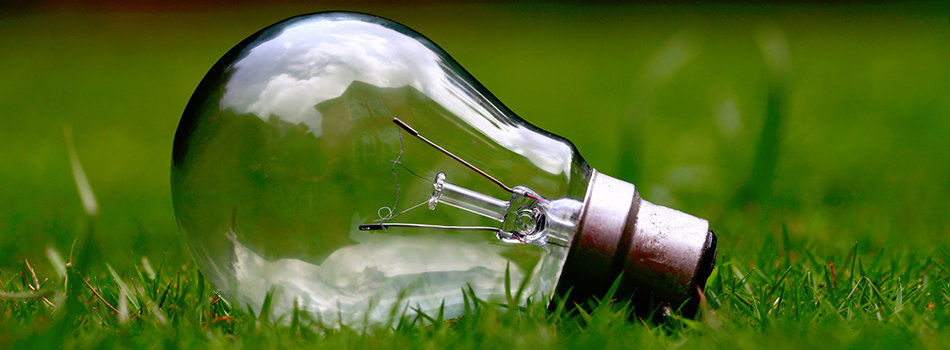
Learners will be able to define and explain the operation of Tungsten Filament and Halogen lamps, compare their efficiency and lifespan and also identify their practical applications.-
Students mustViewGo through the activity to the endReceive a grade
-
Students mustViewGo through the activity to the endReceive a grade
-
-
Learning Outcomes:
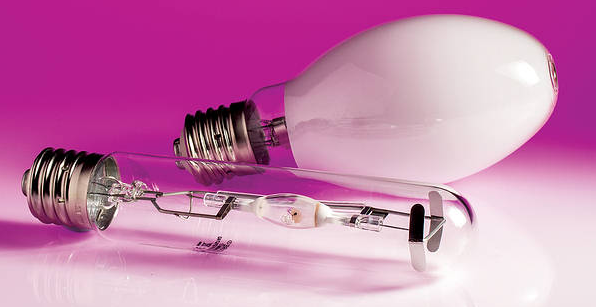
Learners will be able to describe the working principles of various discharge and fluorescent lamps, compare their efficiency and performance characteristics, and identify appropriate applications for each lamp type.-
Students mustViewGo through the activity to the endReceive a grade
-
-
Students mustViewGo through the activity to the endReceive a grade
-
Students mustViewGo through the activity to the endReceive a grade
-
Students mustViewGo through the activity to the endReceive a grade
-
Students mustViewGo through the activity to the endReceive a grade
-
-

Learning Outcomes:
Learners will be able to explain the operating principle of Light Emitting Diode (LED) lamps, evaluate their advantages in terms of energy efficiency and lifespan, and identify suitable applications for sustainable lighting solutions.-
Students mustViewGo through the activity to the endReceive a grade
-
-
-
-

Sincere appreciation and gratitude are extended to the Civil Engineering Department, Politeknik Sultan Abdul Halim Mu’adzam Shah (POLIMAS) for the support provided in the development of this Microcredential: The Basics of Artificial Lighting.
Special thanks are also conveyed to fellow lecturers, students and the POLIMAS microcredential development team for their ideas, feedback and collaboration which contributed to the successful completion of this module.
It is hoped that this course will benefit all participants in understanding and applying the basic principles of artificial lighting effectively in real building and design applications.